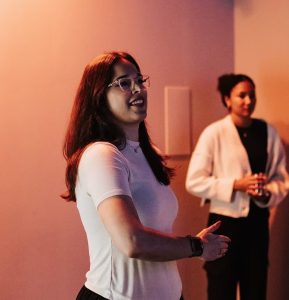
Maddi, Age 30
Stroke
“I got pincer movement back, 8 years out from my stroke”!

People recovering from stroke, Parkinson’s, and brain injury are regaining movement, regaining balance, and thinking more clearly. These are not just stories, these are measurable improvements that are changing people’s lives.
Our approach targets the hippocampus, an area of the brain where movement, memory, and thinking come together. In our work, we’ve observed measurable growth in critical parts of this system including regions known as the CA3 and subiculum. These areas help the brain form new connections for movement and mental clarity.
These systems are disrupted across stroke, Parkinson’s, TBI, in the normal course of aging, and many other neurological conditions. Alongside emerging research on neuron growth in adults, this points to a new path forward. Not just in improving function, but restoring and strengthening the brain systems that make recovery possible.

Hear directly from doctors and healthcare experts about the impact of NeuroAnimation on client outcomes.

NeuroAnimation is bringing new hope.

Three days after sending my first dementia patient to NeuroAnimation, I saw life in her eyes, and I saw a reversal of this disease which I had never seen before.

NeuroAnimation is doing things that I didn’t think were possible.

NeuroAnimation forces me and others to think outside the box.
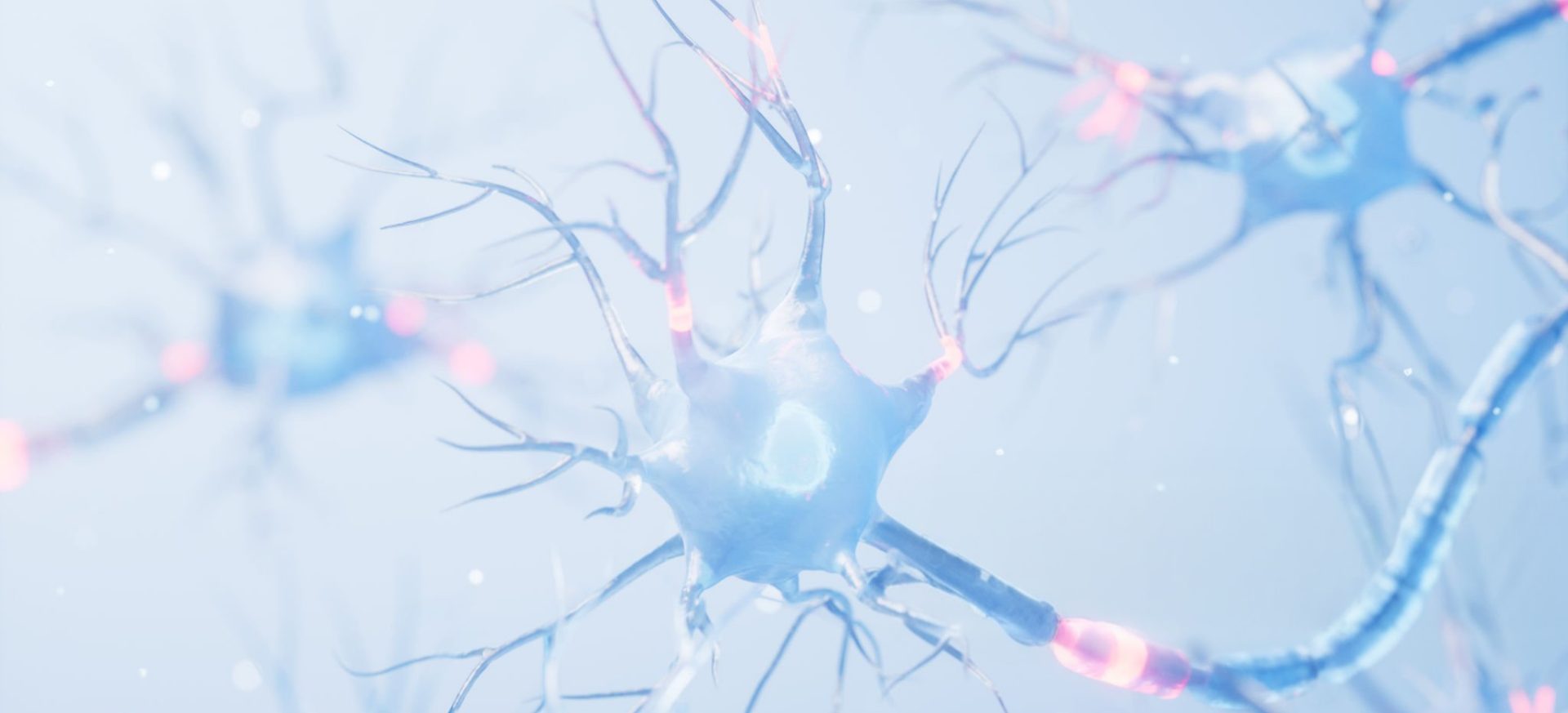
When neurological disorders disrupt brain cells, the signals that control movement, balance, and thinking weaken. NeuroAnimation uses neuroplasticity therapy to help the brain rebuild stronger neural pathways and improve function.

Specialized
New movement abilities, spasticity reduction, mental clarity, confidence, walking and gait, balance.

Targeted
Restored movement and memory, reduced tremors, improved gait and balance.

Evidence-based
Restore memory, mental clarity, mood motivation, coordination, reaction time, balance.

Comprehensive
Improve concentration, memory,
multi-tasking, coordination and balance. Reduce mental fatigue, brain fog, anxiety and irritability.
Comprehensive
Strengthen focus, attention, motivation, organization
and planning. Reduce distraction, impulsivity, forgetfulness and anxiety.
Comprehensive
Diminish negative thought patterns, sadness, loss
of interest, feeling hopeless, and withdrawal from activity. Regain motivation, activity and joy.
Comprehensive
Increase cognitive performance,memory,
processing speed, balance, stability, coordination, fine motor control, energy, mental acuity.
Discover how NeuroAnimation supports clients by improving movement, mental clarity, and independence by maximizing neuroplasticity.

I believe in this so much that I have recommended this to everyone I can think of!

I am so grateful and amazed by how much I gained in the three weeks I can’t wait to return to Ohio for three more weeks.

My memory improved. My tremors in my hands have remarkably decreased with little or no tremors.

You can’t believe it until you see it yourself. Life changing!
These immersive programs are designed for people recovering from stroke or traumatic brain injury (TBI), individuals living with mild cognitive impairment, dementia-related conditions such as Alzheimer’s or Parkinson’s, and those experiencing challenges like ADHD, PTSD, or depression, as well as learning disorders such as dyslexia.
NeuroAnimation programs are designed to promote cognitive resilience and help individuals preserve brain function often associated with much younger adults.

Backed by 6+ peer-reviewed studies and over $20M in neuroscience research on NeuroAnimation therapy.


Explore real case studies demonstrating how neuroplasticity supports brain recovery and neurological care.
“My hand, my foot, and my speech, the team-all of it-NeuroAnimation is awesome’!
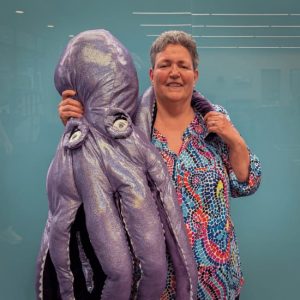
Kolleen’s story is one of reconnection — to her movement, her clarity, and herself.

Sharon’s story is one of resilience, identity, and rediscovery. In the summer of 2024, she was diagnosed with Lewy Body Dementia.

Jan saw over a 650% improvement in working memory — years after a traumatic brain injury that changed everything.
“My hand, my foot, and my speech, the team-all of it-NeuroAnimation is awesome’!
Kolleen’s story is one of reconnection — to her movement, her clarity, and herself.
Sharon’s story is one of resilience, identity, and rediscovery. In the summer of 2024, she was diagnosed with Lewy Body Dementia.
Jan saw over a 650% improvement in working memory — years after a traumatic brain injury that changed everything.
For TBI survivors who feel like a different version of themselves, and for the families na
For older adults who want to invest in cognitive health now, not as a response to decline,
For people living with Parkinson’s who need a program that works on how they move an
For parents of children with dyslexia, ADHD, or autism who are watching their child strugg
For older adults, stroke survivors, and people living with Parkinson’s who fear fall
For stroke and brain injury survivors, including working professionals, experiencing brain

Published in PLOS ONE, this is one of the largest evidence reviews in stroke program resea

Published by Johns Hopkins, this study examines whether the conventional approach fully us

The Cochrane Collaboration is the gold standard for systematic medical evidence review. St

A comprehensive review in one of medicine’s most rigorously peer-reviewed journals.

Published in Stroke by the American Heart Association in 2025, leading researchers identif

Published in peer-reviewed literature, capturing clinical perspectives from occupational a